You've Heard These 10 Albums a Hundred Times — In Airports, Elevators, and Aisles
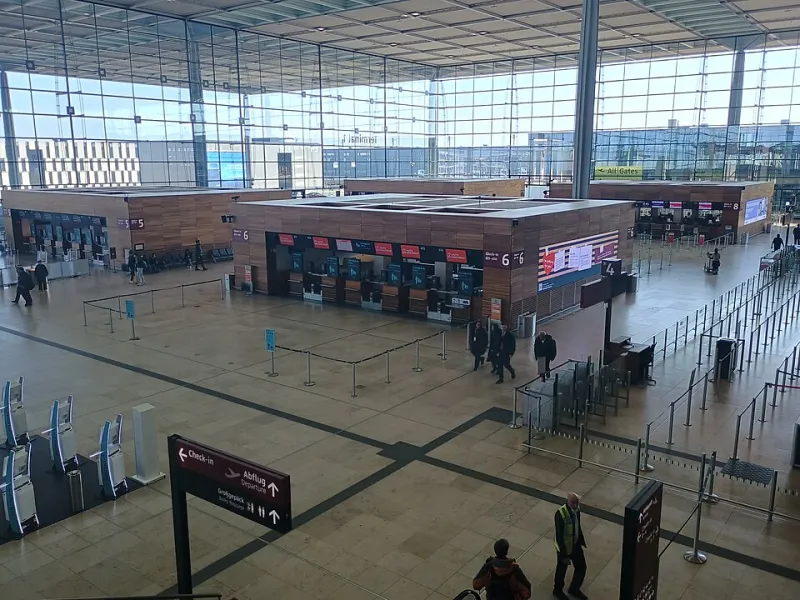
Photo: Roy Zuo, CC BY-SA 4.0, via Wikimedia Commons
There's a shared national listening experience hiding in plain sight, and nobody agreed to it. It's the synth pad swelling over the terminal at DFW. The warm, wordless guitar loop in the dentist's office. The oddly beautiful keyboard figure accompanying your hunt for off-brand peanut butter at 11 p.m. Millions of Americans hear these sounds weekly, in transit, in waiting, in liminal zones — and almost none of them could name a single track.
Today, we're naming names. Consider this the unofficial liner notes for public life.
The Invisible Canon
1. Brian Eno — Ambient 1: Music for Airports Let's get the obvious one out of the way: the genre's founding document was literally commissioned as airport music, and airports took the hint. Fragments of its piano loops drift through terminal soundscapes worldwide, a rare case of theory becoming infrastructure.
2. Erik Satie — Gymnopédies & Gnossiennes The ur-text. Every hotel lobby, every "relaxation" channel, every tasteful coffee shop montage. Satie invented furniture music a century ago; the furniture finally caught up.
3. William Orbit — Strange Cargo and remix work That shimmering, slightly electronic warmth you hear in upscale retail? There's a decent chance it's Orbit, whose late-'90s productions became the lingua franca of "premium" commercial space.
4. Ludovico Einaudi — Divenire / Una Mattina The waiting-room workhorse. Emotionally legible, harmonically safe, and long enough to loop forever without anyone noticing.
5. Tycho — Dive The grocery store at golden hour. Tycho's sun-soaked analog warmth is what plays when a brand wants to feel like a lifestyle without saying a word.
6. Bonobo — Black Sands The airport lounge bar. Downtempo enough to soothe, rhythmic enough to imply that someone, somewhere, is having a good time.
7. Ólafur Arnalds — For Now I Am Winter The healthcare-adjacent pick. Nordic piano-and-strings minimalism has colonized hospitals, clinics, and anywhere else people sit with anxiety and a clipboard.
8. Max Richter — Sleep (excerpts) Technically eight hours long; commercially deployed in ninety-second fragments. The most-played ambient composition of the century, mostly for people who aren't listening.
9. Steve Reich — Music for 18 Musicians (selections) The art-museum gambit. When an institution wants gravitas, it reaches for Reich's pulsing minimalism, which somehow signals both sophistication and calm.
10. Helios — Eingya The deep cut. This one's for the piped-music connoisseurs: Helios's gentle, guitar-laced electronica has quietly become a staple of boutique retail and indie-adjacent café chains, the sound of a business that wants you to know it has taste.
The Lost Art of the Anonymous Curator
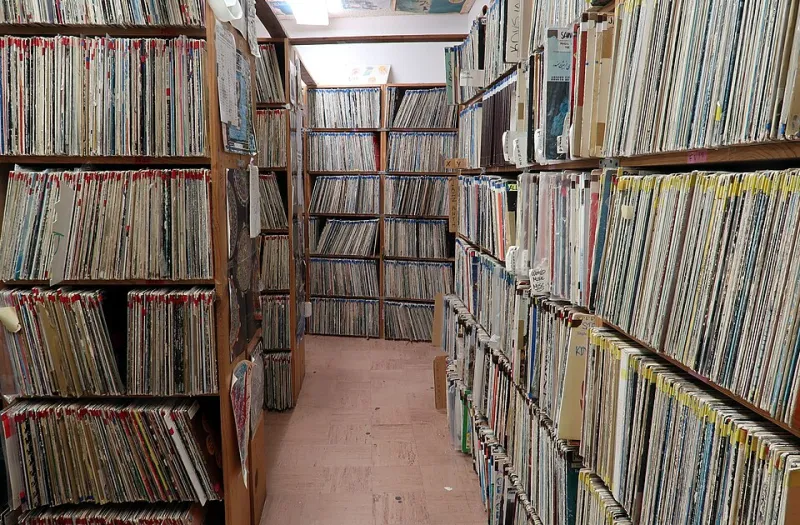
Here's the thing worth defending: somebody chose these records. Not an algorithm, not a focus group — in the muzak era's better moments, an actual human being with a decent record collection sat down and thought, what should this space sound like? The best piped-music programmers were unsung ambient A&Rs, threading Eno and Satie through the daily lives of people who would never buy a record in their lives. They were, functionally, the most-listened-to DJs in America.
Streaming-era background music services have largely flattened this into genre tags — "chill," "focus," "spa" — which is efficient and soulless. The old curation had opinions. It had a point of view. It understood that a grocery store at night and an airport at dawn are different emotional rooms that deserve different soundtracks.
So here's the closing argument: bring back the curator. Let the people programming our shared spaces do it with intention, with names attached, with records they love. The ambient canon already proved it can hold a room. It deserves curators who know why.