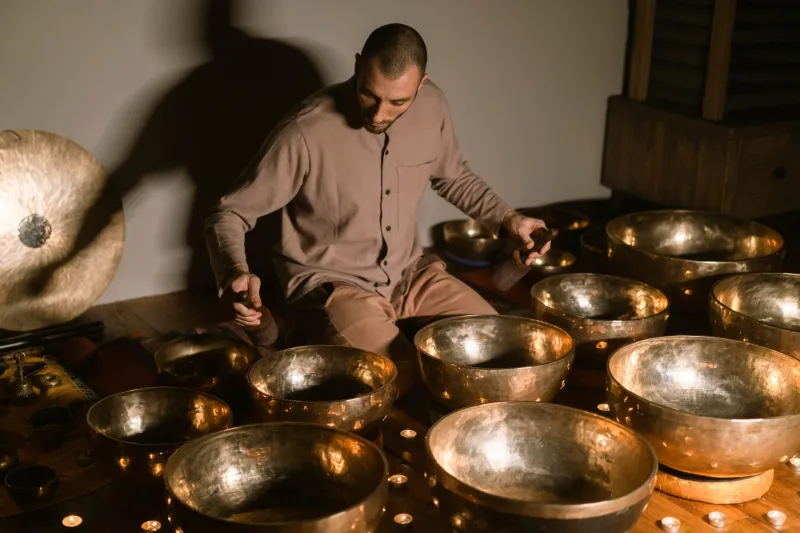
Designed to Be Heard: The Architects Bringing Ambient Composers Into the Blueprint
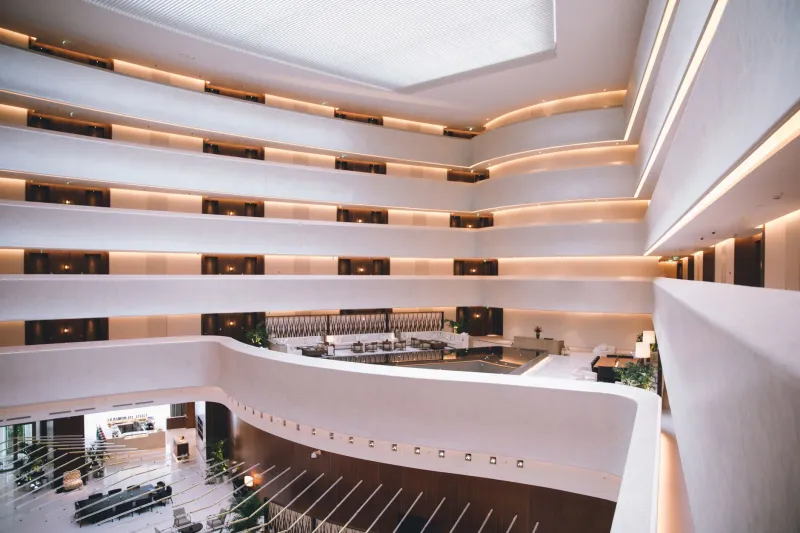
The lobby of a boutique hotel in Nashville doesn't announce itself with a playlist. There's no recognizable song, no identifiable beat. What there is — and what guests consistently describe in reviews without quite being able to name — is a feeling. A low, warm resonance that seems to come from the walls themselves. A subtle layering of tones that shifts almost imperceptibly over the course of an hour. It feels, somehow, like arriving.
That feeling was designed. Specifically, it was composed.
The hotel worked with an ambient sound designer during the construction phase, treating the sonic environment with the same deliberate attention given to lighting schemes and material finishes. The result isn't background music in any conventional sense. It's closer to acoustic architecture — sound built into a space rather than pumped into it.
This is no longer a fringe practice. Across the country, architects, interior designers, and developers are increasingly bringing ambient composers into their projects at the earliest stages, recognizing that how a space sounds is as fundamental to human experience as how it looks.
Sound as a Design Material
The idea that sound shapes space isn't new — acoustic engineering has been part of concert hall and theater design for over a century. What's shifted is the ambition. Where acoustic engineering traditionally focused on what to suppress (echo, noise bleed, reverberation), the emerging discipline of spatial sound design asks a more expansive question: what should a space feel like, sonically?
For ambient composers entering this world, it's a significant reframe. The work isn't about creating something people will consciously listen to. It's about creating something that operates below the threshold of active attention — shaping mood, pacing behavior, and defining atmosphere without ever demanding to be noticed.
"The goal is that nobody compliments the music," says one composer who has worked on projects ranging from a hospital waiting area in the Pacific Northwest to a luxury retail space in Chicago's Fulton Market district. "If someone says 'I loved the soundtrack,' I've probably failed. If they say 'there was just something about that place,' I've done my job."
Transit Hubs and the Challenge of Scale
Few design challenges are more acoustically brutal than a major transit hub. Hard surfaces, massive volumes of people, constant mechanical noise, and the logistical impossibility of silence create an environment that is, by default, stressful. Several US transit authorities have begun exploring whether bespoke ambient sound design can meaningfully reduce that stress.
The research suggests it can. Studies on sound masking in airports have shown that carefully designed ambient audio can reduce perceived wait times and lower self-reported anxiety among travelers. The key word is designed — generic playlist music tends to increase cognitive load rather than reduce it, because the brain works to process it even when you're not actively listening. Purpose-built ambient environments, by contrast, give the auditory system something coherent and low-demand to rest on.
One mid-size regional airport in the Southeast recently piloted a program where a composer created distinct sonic zones throughout the terminal — calmer, lower-frequency textures near gate seating areas, slightly more energized atmospheric layers near retail and food zones. Early passenger feedback has been positive, though airport officials are careful to note that isolating the effect of sound from other concurrent design changes is methodologically tricky.
Museums and the Art of Sonic Context
For museums, the case for ambient sound design is arguably even more compelling. A gallery showing work by a specific artist or from a specific cultural tradition carries implicit meaning that can be reinforced — or undermined — by the sonic environment surrounding it.
Several contemporary art institutions have started treating sound design as part of the curatorial process rather than a facilities question. This means ambient composers are sometimes working directly with curators to develop atmospheric audio that responds to specific works or thematic concerns in an exhibition.
A recent installation-heavy exhibition at a contemporary art center in Los Angeles worked with a sound designer to create a slowly evolving ambient environment that drew on field recordings made in the geographic locations referenced by the exhibited work. Visitors who were unaware of this layer still described the exhibition as unusually immersive. Those who knew about it reported a deepened sense of connection to the work.
"Visual art has always existed in a sonic context," notes one curator involved in the project. "Usually that context is the HVAC system and other people's shoes. We just decided to be intentional about it."
The Economics and the Craft
Commissioning bespoke ambient sound design isn't cheap, and it's still largely the province of higher-end projects — luxury hospitality, cultural institutions, flagship retail. But the economics are shifting. The tools for creating and deploying spatial audio have become dramatically more accessible, and a new generation of composers trained in both music and UX thinking is entering the field.
For these composers, the work requires a different set of skills than traditional music composition. It demands an understanding of how sound behaves in physical space, how listener attention functions over extended periods, and how to create audio that ages well — that can play on a loop for hours or days without becoming irritating or noticeable. It also requires an ability to collaborate with architects and designers who may have sophisticated spatial intuitions but limited musical vocabulary.
"I spend a lot of time translating," says one Brooklyn-based composer who has worked on hotel and restaurant projects up and down the East Coast. "An architect will say something like 'it should feel like early morning light' and my job is to figure out what that means in sound. Usually we get there. It just takes conversation."
What's Next
The trajectory here points toward sound becoming a standard line item in architectural and interior design budgets — not a luxury add-on but a baseline consideration, the way lighting design already is. Some firms are already hiring in-house sound consultants. Others are building ongoing relationships with ambient composers the way they maintain relationships with landscape architects or lighting specialists.
For the ambient music community, this represents something genuinely significant: a professional infrastructure forming around work that has historically existed at the margins of the music industry. Composers who might otherwise be releasing records to a small dedicated audience on Bandcamp can find themselves shaping the daily sensory experience of thousands of people moving through a train station or a museum or a hotel lobby.
None of those people will know the composer's name. Most won't consciously register the sound at all. They'll just feel, without being able to say exactly why, that the space they're in makes sense. That it holds them.
That's the work. And it turns out, it's exactly what ambient has always been for.