Ten Places Where America Sings Back: A Field Recorder's Road Map
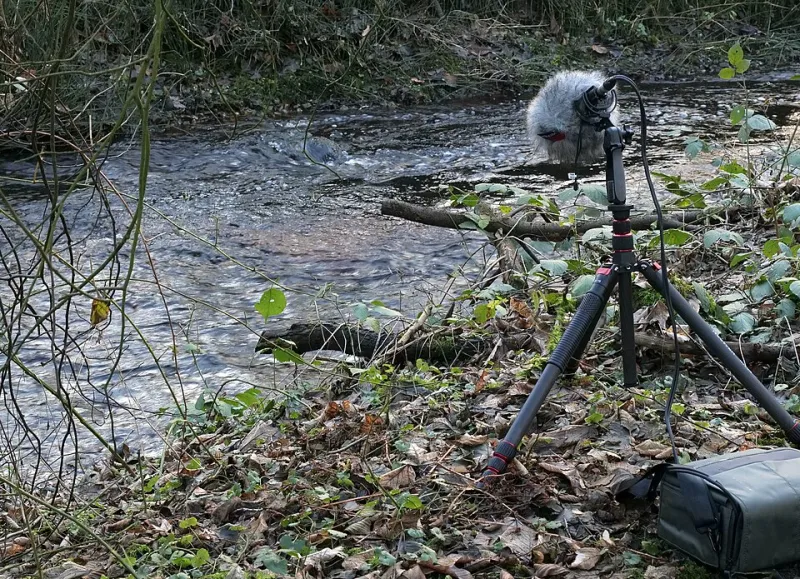
Photo: ChristianSW, CC0, via Wikimedia Commons
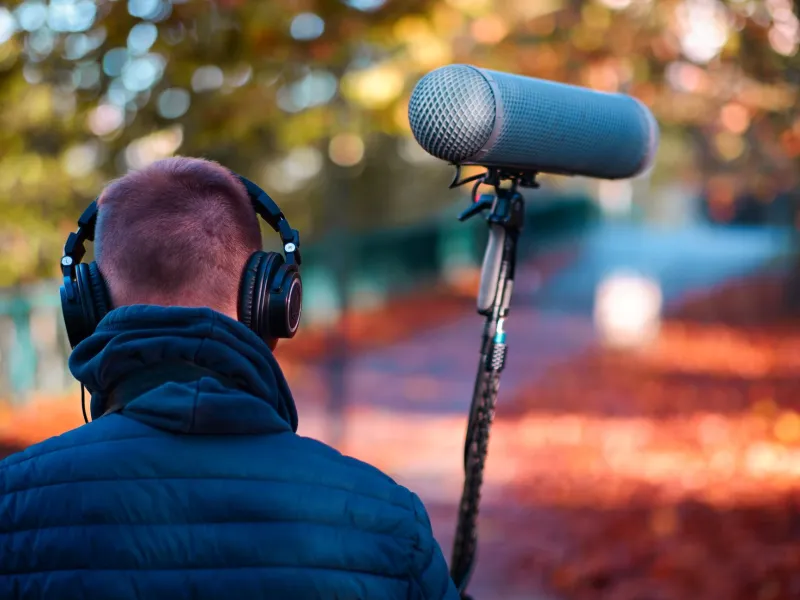
Every ambient fan eventually hits the same wall: no matter how many hours you've logged, there's a texture to place — real wind across real stone, real water doing its ancient work — that no plugin reproduces. The good news is that America is absurdly generous with listenable landscapes. Here are ten worth the drive, with notes on what to hear and when.
1. Ringing Rocks Park — Bucks County, Pennsylvania
A boulder field where rocks ring like bells when struck with a hammer. Bring a small mallet (the park permits it), wander the field, and join an impromptu percussion section that's been happening since the 1800s. Best time: a cool, dry autumn morning — moisture dampens the tone. Scientists still debate why these rocks sing; nearby ones don't.
2. The Great Plains Wind Farms — Outside Dodge City, Kansas
Hundreds of turbines turning under an enormous sky produce a low, harmonic wash — part white noise, part ghost choir. Stand a few hundred yards downwind and the blades create a slow, breathing chord. Best time: spring, at dusk, when wind steady and traffic absent. Minimalism fans will hear the lineage straight back to Tony Conrad.
3. Lake Superior's Ice Boom — Apostle Islands, Wisconsin
In deep winter, Lake Superior's ice sheet groans, cracks, and sings — long, whale-like tones traveling for miles under the surface. Record from shore at the ice caves or, if you're equipped and it's safe, from the frozen bay. Best time: late January through February. Geza Burghardt-style deep drone artists have chased this sound for decades.
4. Antelope Canyon — Page, Arizona
Slot canyons are nature's filter banks: wind funneled through narrow sandstone turns into a pure, flute-like tone. Midday light is famous for photos; go at dawn for the acoustics before the crowds. Best time: March–April, early morning.
5. The Hoh Rain Forest — Olympic National Park, Washington
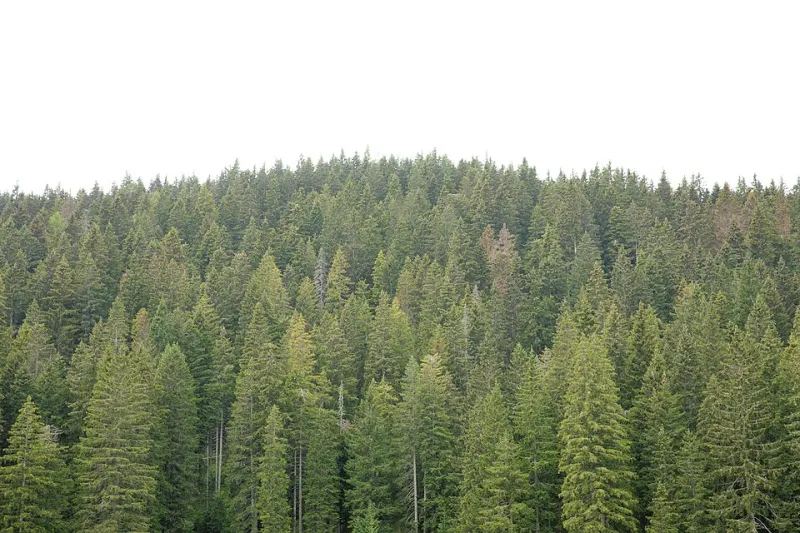
The quietest documented spot in the lower 48 lives here in One Square Inch of Silence. Old-growth Sitka spruce buffers everything; what's left is rain on moss, ravens, and your own pulse. Best time: a soft drizzle in October — rain is the instrument.
6. Great Sand Dunes — San Luis Valley, Colorado
The dunes boom — avalanching sand produces a low-frequency rumble you feel in your sternum. It's one of the few places you can literally play a landscape. Best time: late spring, dry afternoon, after walking the windward face.
7. The Mississippi River at Dawn — Near Memphis, Tennessee
Industrial and elemental at once: barge horns, water over wing dams, dawn birdsong over a working river. It's the sound of America's arterial hum. Best time: September, first light, from a bluff overlook.
8. Haleakalā's Crater Wind — Maui, Hawai'i
Above the clouds, the crater's rim turns trade winds into a slow, hollow exhale. The silence between gusts is the deepest you'll find on U.S. soil. Best time: sunrise — arrive in the dark. (Reservations required for dawn viewing.)
9. Bonneville Salt Flats — Utah
Flat, white, and acoustically naked: sound travels unimpeded, and your own footsteps come back to you wrong. Record the wind across the crust and you'll capture something close to tape hiss made physical. Best time: winter, when thin standing water turns the flats into a mirror and a resonance chamber.
10. The Everglades at Night — Everglades National Park, Florida
Not quiet — dense. Frogs, insects, alligators bellowing, all layered into a wall of sound that shifts by the minute. It's proof that ambient isn't about silence; it's about complexity. Best time: the wet season, June evenings, from the Anhinga Trail boardwalk.
A Note on Etiquette
Record with respect. Stay on trails, never bait or approach wildlife for a take, and check park rules on recording equipment. The best field recordists are guests. The landscape was here first — and unlike your plugins, it doesn't need updating.