Ranked: The Loudest National Parks in America (and When to Find Their Quiet Side)
Photo: Shiv's fotografia, CC BY-SA 4.0, via Wikimedia Commons
Yellowstone at dawn should sound like geothermal steam, distant birdsong, and not much else. Instead, depending on where you stand, you might get the rotor-wash of a scenic helicopter tour, a diesel idler in the parking lot at Old Faithful, and a generator humming somewhere behind the lodge.
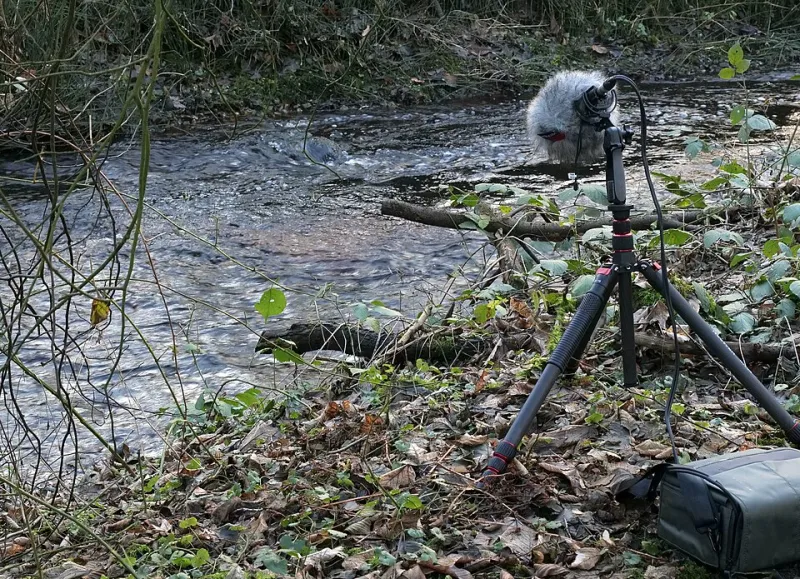
The National Park Service takes this seriously. Its Natural Sounds and Night Skies Division has spent years deploying acoustic monitoring stations across the park system, recording everything from desert silence to air tour traffic. The resulting data lets us do something once unthinkable: rank America's wild places by how loud they actually are.
The Noise Floor Problem
Before the rankings, a quick primer. Acousticians measure parks against a "natural ambient" — the baseline sound level with no human interference. In pristine conditions, that can be in the low 20 decibels: quieter than a whisper. For reference, a passing car at 100 feet registers around 55 dB, and aircraft can spike well above that, traveling audibly for miles.
The NPS estimates that noise from human activity is audible at some point during daylight hours in a startling majority of park units. The worst offenders share a few traits: overflights, heavy road networks, and crowds.
The Loudest of the Big Names
Based on monitoring data and soundscape reports, these parks consistently rank among the noisiest:
1. Grand Canyon National Park — Home to the most contested air tour corridors in the country. Helicopters and fixed-wing flights are audible across huge swaths of the canyon, sometimes dozens of times an hour in peak season.
2. Great Smoky Mountains National Park — The most-visited park in the system sits between major highways and regional airports, with road noise bleeding deep into valleys that should hush at dusk.
3. Zion National Park — A narrow canyon acting as an acoustic amplifier for shuttle buses and the town of Springdale. Beautiful acoustics, unfortunately, work both ways.
4. Yellowstone National Park — Snowmobile winters, summer gridlock, and air tours over a landscape that would otherwise be a cathedral of geysers.
5. Gateway Arch National Park — An urban park in downtown St. Louis; the soundscape is essentially the city. Included here as a reminder that "park" covers a lot of ground.
The Quietest Corners, Ranked
On the flip side, these units earn their reputation among acoustic ecologists:
1. Great Sand Dunes (Colorado) — Wind over sand dunes produces one of the most consistent natural soundscapes in the system.
2. Isle Royale (Michigan) — Remote, boat-access-only, and famously hushed.
3. Congaree (South Carolina) — Old-growth swamp whose nighttime insect chorus defines the ambient baseline.
4. North Cascades (Washington) — Vast, lightly visited, and deep enough that road noise rarely reaches.
A Traveler's Guide to Hearing a Park
You don't have to settle for the noise floor. A few field-tested tactics:
- Go at dawn or after dark. Most human noise is diurnal. The hour after sunrise and the hour after sunset are the acoustic jackpot.
- Hike past the first three trailhead parking lots. Noise decays fast with distance from roads. Two miles in, the soundscape often resets entirely.
- Visit in shoulder season. September in the Smokies or November in Zion cuts visitation — and decibels — dramatically.
- Choose parks by topography. Canyons and valleys funnel sound. Ridges, dense forests, and open plains disperse it.
- Use your ears as instruments. Stop moving for ten full minutes. The park's natural ambient takes time to re-emerge once the human noise in your own group dies down.
The NPS data makes one thing clear: quiet in America's parks isn't gone — it's scheduled. Know when and where to listen, and even the loudest park will occasionally hand you a moment of true wild silence.