Sound as Prescription: What We Lose When Ambient Music Becomes Medicine

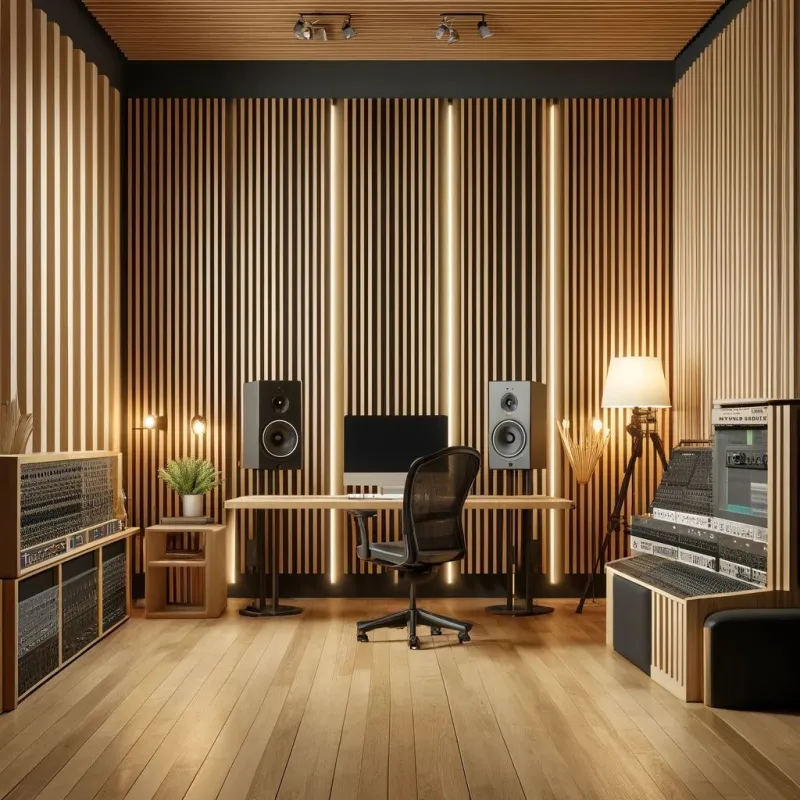
Photo: Wilfredor, CC0, via Wikimedia Commons
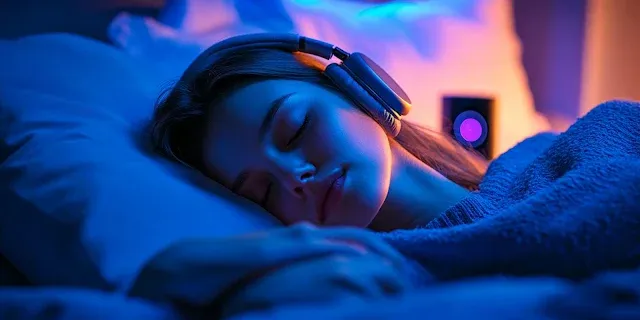
There's a decent chance your doctor, your therapist, or your employer's wellness portal has recently recommended sound. Not silence — sound. Brown noise for focus, pink noise for sleep, curated ambient playlists for anxiety, delivered through an app with a subscription tier.
This is, on balance, probably good. Chronic noise exposure is genuinely harmful, and relaxation practices backed by even modest evidence beat the pharmaceutical default of a decade ago. But as someone who has spent years listening to ambient music as music — as art, as culture, as a way of paying attention — I keep snagging on the language. Prescription. Dosage. Intervention. We're not just listening anymore. We're being treated.
The Wellness-ification of a Genre
Ambient music has always had a complicated relationship with function. Brian Eno famously described his landmark 1978 album as music designed to be "as ignorable as it is interesting." That doubleness was the point. The genre thrived in the tension between background and foreground.
The new clinical framing collapses that tension entirely. When a soundscape is prescribed, it is definitionally background — a therapeutic agent, not a composition. The apps know this. Their libraries are optimized for the lowest common denominator of calm: no melody that might demand attention, no narrative arc, no edge. It's ambient with the art surgically removed.
And look, sometimes that's exactly what a person at 3 a.m. with a racing heart needs. I'm not going to sneer at that. But I'd argue something is being lost in translation — namely, the reason any of this music existed in the first place.
What Artists Are Saying
Talk to working ambient composers and you'll hear a range of responses. Some have leaned in, licensing tracks to meditation apps and finding, in some cases, the biggest audience of their careers. Others bristle.
The sharpest critique I've heard is this: the wellness industry treats music as a tool, and tools are valued by outcome. If a track lowers heart rate variability, it works. If it doesn't, it's replaced. That's a pharmaceutical logic, and it leaves no room for the things that make ambient music meaningful — surprise, discomfort, beauty that doesn't serve a function. Drone music that unsettles you before it settles you would never survive an app's A/B testing.
There's also a quieter worry: that a generation encountering ambient sound only through prescriptions will never learn to listen freely. If your only model of sustained tone is a sleep aid, you'll miss the vast, strange, occasionally difficult world of experimental sound that ambient grew out of.
What We Might Gain Anyway
Here's the honest counterargument: the prescribing boom is also a gateway. Plenty of people who found ambient through a sleep app have wandered, app in hand, toward the genre's deeper catalog. Labels that struggled for decades are finding new listeners. Live ambient performances — once the niche of the niche — are selling out in cities across the country.
And the clinical attention isn't fake. Research on sound and the nervous system is real, even if the apps oversell it. If a soundscape helps someone sleep who hasn't slept in years, that matters more than my aesthetic purism.
So I land here, uneasily: take the prescription if you need it. But don't let it be the whole relationship. Somewhere past the end of the playlist there's music that won't lower your heart rate at all — that might raise it, briefly, before it opens up into something vast. That music isn't medicine. It doesn't want to fix you.
It just wants you to listen.